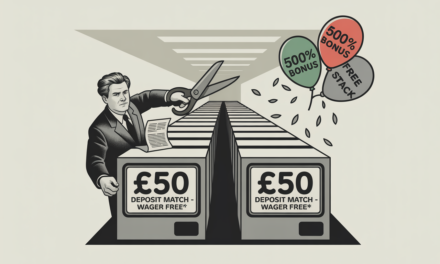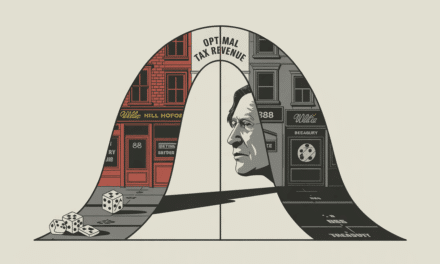

Malta’s 5% gaming tax was never merely a spreadsheet line. It helped sell the island as a predictable base for remote gambling, alongside its licence ecosystem and specialist workforce. From 1 October 2026, that pitch changes sharply: casino-style services rise to 15%, while sports betting and other Type 2, 3 and 4 activities rise to 10%.
The 5% era is over
The Gaming Tax (Amendment) Regulations 2026, set out in Legal Notices 84 and 86, replace the flat 5% rate with a split structure from 1 October. Type 1 services, broadly casino-style games, move to 15%. Types 2, 3 and 4, including sports betting, move to 10%. The separate device-based levy is scrapped and replaced by a €3,000 annual studio broadcasting levy, bringing the tax and levy rules into one framework.
The official pitch is familiar: simpler rules, fairer treatment, greater certainty and continued competitiveness. The commercial translation is less decorated. Malta wants more revenue from an industry that has outgrown its old discount, and casino operators face a tripling of the headline rate. A sportsbook faces a doubling. The final bill will still depend on taxable gaming revenue, player residence, qualifying activity, payment rules and permitted set-offs, yet the direction is unmistakable. Operators must revisit margins, promotions, pricing and corporate structure rather than bury the increase in a forecast.
Player residence will decide the real bill
The rate table is only the first calculation. Malta is retaining a residence-based test for remote gaming tax, so a Malta licence or Maltese company does not turn every euro of worldwide gross gaming revenue into Maltese taxable revenue. Player location, product type and the supplying entity remain central. An internationally diversified group may have some shelter, but only if its records can prove why particular revenue sits inside or outside the charge.
That makes customer data tax evidence as well as regulatory evidence. KYC, geolocation and reporting systems must connect player residence, product classification, licence, legal entity and revenue treatment. A weak data trail will not be rescued by a confident transfer-pricing memo after the event. Finance, compliance and tax teams need a shared audit trail that can move from a player account to a product ledger and then to the filed return.
A mixed brand creates another trap. Casino, bingo and betting revenue cannot be safely blended into a group average when Type 1 activity carries 15% and Types 2, 3 and 4 carry 10%. Classification needs to match the commercial product, customer segmentation and entity allocation. Rebranding an expensive casino activity will not make it cheaper. Boards should model residence, promotional spend, payment flows and intercompany charges by product and market before deciding whether a change in mix beats a costly relocation.
VAT and the small levy carry bigger questions
VAT may cause more friction than the clean rate table suggests. Malta is refining, and in practice narrowing, the exemption for sports betting and casino games. That can affect input VAT recovery on outsourced services, marketing, affiliates and technology suppliers, as well as pricing between related companies. The customer may never see a separate VAT line while the operator pays more for the machinery behind the transaction. The outcome depends on the actual contracts and supply chain, not the group chart shown at a board meeting.
The €3,000 studio broadcasting levy is small beside percentage-based gaming tax, but it still changes who carries the obligation. For studios and businesses with a physical broadcasting operation, a fixed annual charge may be clearer than the old device-based calculation. Consolidation should reduce paperwork if definitions are clear. Operators should map invoices, entities and operating flows before the deadline instead of waiting for a neat FAQ to reveal that the expensive part was hiding outside the tax return.
Malta’s tax advantage now needs to earn its keep
Malta still has a serious proposition: gaming lawyers, accountants, compliance staff, suppliers and regulators who understand remote gambling. Its licence remains useful for EU-facing businesses, although it does not open every national market. Moving a regulated group is expensive. Employment, banking, audit, substance, licences and operating contracts must move or be rebuilt, so no serious operator relocates because one spreadsheet cell turned ugly.
Domicile is sticky, not sacred. The new rates will force a review among smaller operators, low-margin businesses and casino-heavy groups with little spare margin. Larger companies may absorb part of the hit, trim marketing, alter product emphasis or spread functions across jurisdictions. New entrants will compare Malta’s total cost with rival centres, including tax, compliance, staffing and substance, rather than admire the memory of a 5% headline.
Malta’s strategic problem is that tax efficiency, legal certainty and specialist infrastructure were sold as a package. The first is weaker, so the other two must work harder. The MGA’s power to grant tax relief without prior ministerial approval could shorten the decision chain, but discretion only helps when criteria, evidence requirements and appeal routes are clear. The next test is guidance from the MTCA and MGA on classification, VAT, residence and relief. Clear rules would let operators price the change and build controls before October; vague or late guidance would raise audit risk and reopen domicile reviews. Malta can still charge for expertise and certainty. It cannot keep charging for the 5% comfort blanket after taking it away.