Higher Rates Turn Old Deal Logic Into a Cash-Flow Problem
Kevin Warsh’s confirmation as Federal Reserve chair matters to gaming before his first rate vote. His record offers little reason to expect cheap money to return as a corporate entitlement. If Fed rate policy stays tight, casinos and online operators will feel it in refinancing spreads, lease obligations and delayed capital spending, not in a classroom macro lecture.
Casino companies are fixed-cost machines with carpeting; online operators carry technology, state compliance, market-access, media, trading and promotional-credit bills. Debt issued near 4% can refinance at 7% or 8%, before fees and hedging. On billions of dollars, that strips cash from renovations, product work and consumer-demand buffers. Expect postponed projects, reduced marketing, asset sales dressed up as “portfolio optimization,” and sale-leasebacks. Those deals deliver cash today and a rent bill tomorrow. Private-equity debt loads are worse: sponsors bought, extracted fees and postponed the test of whether the underlying asset could survive without financial engineering. Lenders are now administering that test.
Crypto May Get a Regulated Door While Fiat Gets Barred
The Senate Banking Committee’s advance of the Clarity Act is not enactment. Lobbyists, agencies and amendments can still carve it to pieces. But clearer rules for tokens, exchanges, custodians and banks could finally reduce the legal fog around crypto gaming payments. The real issue is not whether customers hold crypto. It is whether banks process flows, custodians satisfy compliance, wallets can be screened, stablecoin reserves are credible, and every transaction can survive an enforcement review.
A workable framework could allow regulated stablecoin deposits with quicker settlement, lower card costs and fewer chargebacks. Public blockchains are not invisibility cloaks. The hard work is connecting a wallet to a verified person, screening sanctions and illicit exposure, and checking source of funds before a wager account is funded. Yet Washington risks building its own escape hatch. States and banks are rightly hostile to credit-funded gambling. If fiat deposits face growing friction while crypto becomes easier, stablecoins become the easiest route for customers restrictions were meant to slow. Wallet screening, limits, cooling-off tools, affordability checks, self-exclusion matching and suspicious-activity reporting must be identical across rails.
The 90% Loss Rule Taxes Turnover, Not Income
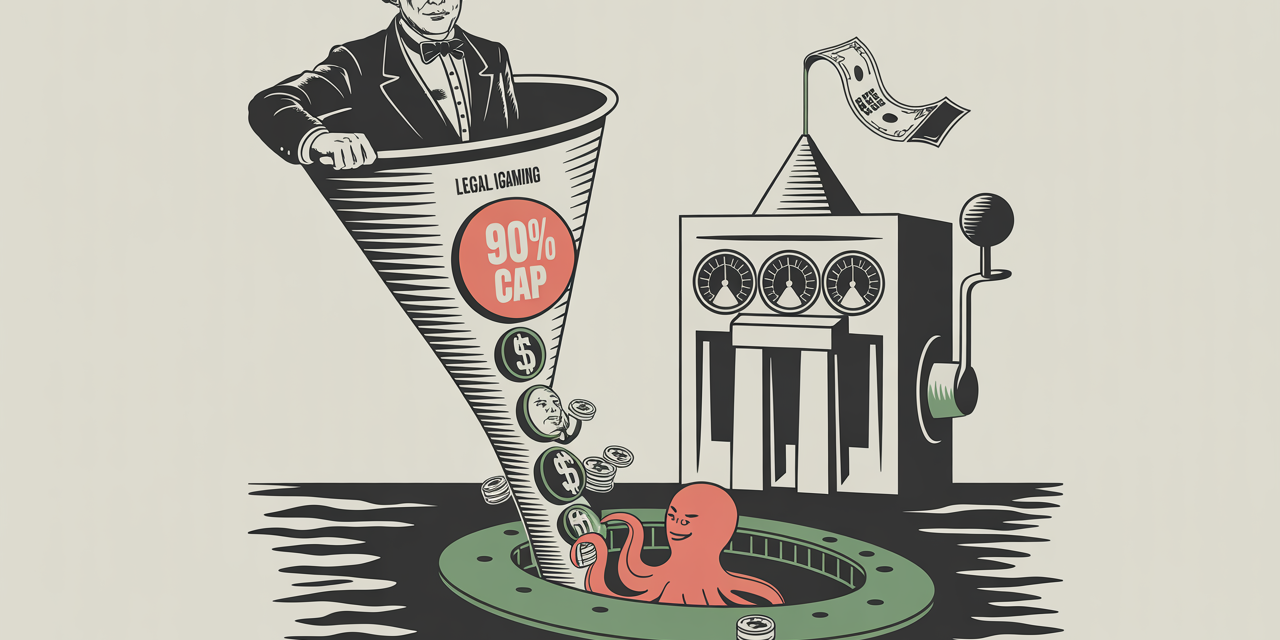
Dana White’s reported appeal to Donald Trump over the new 90% cap on gambling-loss deductions has the predictable celebrity-political theatre. The mechanics are still indefensible. A bettor with $100,000 in documented winning wagers and $100,000 in losing wagers has broken even. Under the cap, only $90,000 of losses offsets winnings. The bettor owes tax on $10,000 of fictional income.
For casual visitors, that may barely register. For high-volume sports bettors, poker players, horseplayers and casino customers recycling large bankrolls, it is a direct tax on documented activity. More wagering means more gross wins and losses, and a greater chance that a net loser gets a tax bill. Washington is taxing churn, not profit. That is also a compliance penalty: regulated operators keep records and issue required forms; offshore books often do neither. Full deductions only up to verified gambling winnings would stop losses offsetting wages, investment income or unrelated business income. The 90% rule solves no serious abuse. It invents prosperity from a break-even or losing year.
Offshore Books Receive the Subsidy Washington Denies Them
Put the policies together. Elevated borrowing costs make licensed operators defensive. They cut promotions, delay product investment and scrutinize payment costs. Fiat friction slows legal deposits. The loss cap punishes fully recorded high-volume betting. Clearer crypto rules may normalize the wallets and stablecoins that offshore operators already use fluently.
Bovada, Stake and their imitators do not need the best odds or interface on every market. They need to be easier for crypto-native users, frequent bettors and customers exhausted by identity checks, payment declines, tax forms and limits. Their apparent efficiency is partly a subsidy from avoiding state licences, responsible-gambling mandates, tax reporting, integrity monitoring and regulators. Cease-and-desist letters, payment pressure and domain blocks can disrupt demand at the margins. They cannot fix a policy mix that makes the legal product pricier, slower and more punitive than its illegal substitute. Enforcement works when compliance is convenient. Washington is making it expensive.
The Next 24 Months Will Separate Operators From Debt Stories
Over the next 12 to 24 months, cash-generative regional operators and groups with well-laddered maturities should preserve liquidity, defer vanity projects and buy distressed assets when sellers run out of options. Overextended owners will discover that lenders do not accept adjusted EBITDA as payment, however artfully it is presented.
Sportsbooks should press for a repair to the loss-deduction rule and crypto-payment standards that do not create a back door around consumer protections. The answer is plain: restore deductions up to verified winnings, bar offsets against unrelated income, and require crypto deposits to meet the same identity, affordability, exclusion and reporting rules as every gambling payment. Washington says it wants gambling that is safe, taxable and accountable. It will soon learn whether that is policy or press-release copy while offshore books collect customers its own rules pushed out the door.