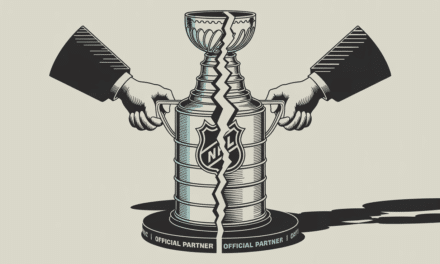
Kalshi just put its name on a chunk of Madison Square Garden. Polymarket is wearing the Serie A crest like a sponsor patch on a football kit. Neither company holds a state gambling license, neither pays a cent of state betting tax, and neither seems bothered that regulators and tribal nations are now lining up to call this exactly what it is: sports betting wearing a CFTC costume.
This stopped being a niche derivatives curiosity months ago. It’s now a direct assault on the licensing framework the regulated sports betting industry spent a decade and billions of dollars building, and it’s happening with press releases and ribbon-cuttings instead of backroom lobbying.
The Land-Grab, Mapped
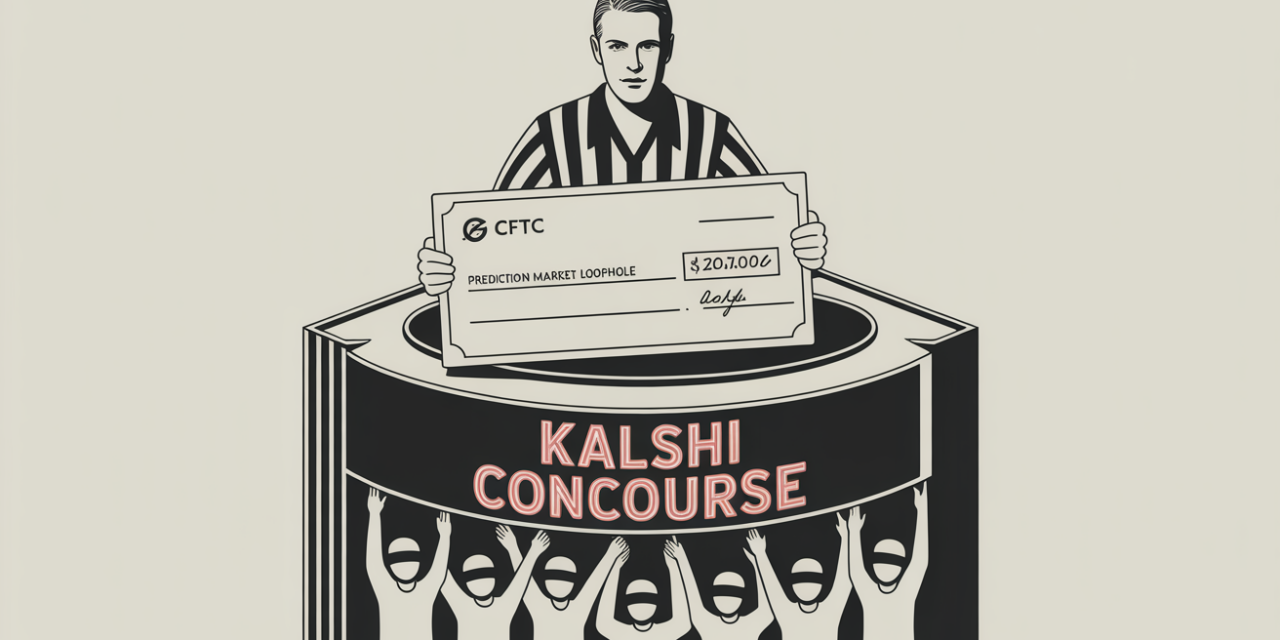
Start with the deals, because the ambition isn’t subtle. Polymarket didn’t settle for a jersey patch — it became Serie A’s regional prediction market partner in Italy and separately locked down a Serie A USA arrangement, giving it a foothold on both sides of the Atlantic for one of the most heavily bet-upon leagues on the planet. Kalshi skipped the jersey entirely and bought a floor. The sixth-floor concourse at Madison Square Garden is now the “Kalshi Concourse,” wired with interactive touchpoints designed to marinate Knicks and Rangers fans in the brand for three hours at a time.
Executives on both sides describe this in the usual sludge of “shared vision” and “fan engagement.” Translated out of press-release English: these are sportsbooks buying stadium real estate and league credibility, running the exact playbook DraftKings and FanDuel ran during the post-PASPA gold rush, except this time the product is structured as a federally regulated derivatives contract instead of a state-licensed wager. That distinction isn’t cosmetic. It’s the entire business model, and it’s the only reason this works.
Why the Wrapper Matters More Than the Bet
A contract asking “will the Yankees win tonight” and a moneyline bet on the same game produce identical outcomes for the customer: same risk, same payout curve, same dopamine hit at the final out. But because Kalshi and Polymarket sit under Commodity Futures Trading Commission oversight instead of state gaming commissions, they skip every part of the business that actually costs money — state licensing fees, integrity monitoring, problem gambling funding mandates, and the tax rates that fund everything from schools to addiction hotlines in states that legalized sports betting the hard way.
DraftKings pays New York a 51% tax on sports betting revenue. Kalshi pays New York nothing on the same underlying economic activity, because federal law currently insists it isn’t gambling at all — it’s a commodity contract about the future, no different in theory than a wheat futures trade. That argument holds up exactly until someone with standing and money decides to test it in court. Several attorneys general, tribal governments, and state legislatures have now decided that day is today.
The Backlash Is No Longer Theoretical
Four tribal nations in New Mexico have sued Kalshi, arguing its sports contracts violate the exclusivity provisions baked into their gaming compacts with the state. This isn’t a symbolic jab. Tribal gaming exclusivity is usually the product of decades of federal litigation and negotiated sovereignty, and tribes have a long track record of being ferocious, well-funded litigants when that exclusivity gets threatened by anyone — state-licensed operator or otherwise. Kalshi picked a fight with an opponent that has both the legal standing and the institutional memory to make this slow, expensive, and public.
Minnesota skipped the courtroom entirely. Its legislature passed a ban on specific event contracts tied to sports outcomes, and the bill is sitting on Governor Tim Walz’s desk. If signed, Minnesota becomes the first state to legislatively slam the door on this category of contract instead of waiting years for a court to untangle the CFTC-versus-state-authority question. Other statehouses are watching this bill like a proof of concept, because it is one — a template that requires no federal cooperation and no favorable court ruling, just a floor vote.
The pattern is now visible from orbit: litigation from tribal interests attacking the legal theory underneath the product, legislation from states attacking the product’s right to exist within their borders at all. Different weapons, same target, same timeline.
Who Wins, Who Loses, and Why This Is the Fight of the Year
The operators pushing prediction markets into sports are betting that federal preemption arguments hold up long enough for them to get too big to unwind — the same strategy daily fantasy operators ran a decade ago before states eventually forced licensing regimes on them anyway. It worked for DFS because the product was novel and enforcement was asleep at the wheel. It won’t work as cleanly here, because every state gaming regulator in the country has already fought this exact turf war once and remembers precisely how it ends: with the operator eventually paying for a license, just years later than they should have and after extracting years of untaxed market share.
Licensed sportsbooks are the quiet losers right now, watching a category of competitor undercut them on tax burden while marketing a functionally identical product through the same marquee league and venue partnerships they’d happily pay full freight for themselves. Tribal gaming operators are the aggrieved party with the sharpest legal teeth in this fight. State treasuries are bleeding tax revenue on activity that would otherwise be captured cleanly under existing sports betting frameworks — every dollar wagered through Kalshi instead of a licensed book is a dollar that never touches a state’s problem gambling fund or general revenue line. And leagues like Serie A get to cash sponsorship checks while staying comfortably above the regulatory mess, because that’s someone else’s problem now, by design.
The CFTC’s silence on all of this is doing a lot of unpaid work for Kalshi and Polymarket. Every month the agency declines to clarify whether sports-outcome contracts fall under its jurisdiction is another month these platforms get to keep signing venue deals and expanding footprint before any court or legislature can pull the plug.
This will not stay a New Mexico problem or a Minnesota problem. Every state with a tribal gaming compact and every legislature with a sports betting tax line now has a template for how to respond, and the legal theory coming out of the New Mexico litigation is already being photocopied by other tribes and other state AGs. The question for the rest of this year isn’t whether prediction markets can keep expanding into sports. It’s how many lawsuits and legislative bans it takes before the federal wrapper stops functioning as an all-purpose regulatory shield — and whether Kalshi and Polymarket have banked enough market share by then to make the eventual licensing bill worth paying.
The sportsbook industry spent a decade fighting state by state for permission to exist. Kalshi and Polymarket tried to skip that fight entirely by renaming it. The tribes and the states just made clear they noticed the trick.