Louisiana has put DraftKings on a four-month licence extension, with seven conditions and a renewal hearing one day before the extension expires. The board has not found wrongdoing; chairman Chris Hebert said so. But by tying continued permission to answers on AI, ownership and customer protection, it has made renewal a live test of what regulators can demand before a verdict.
A renewal is a deadline, not a formality
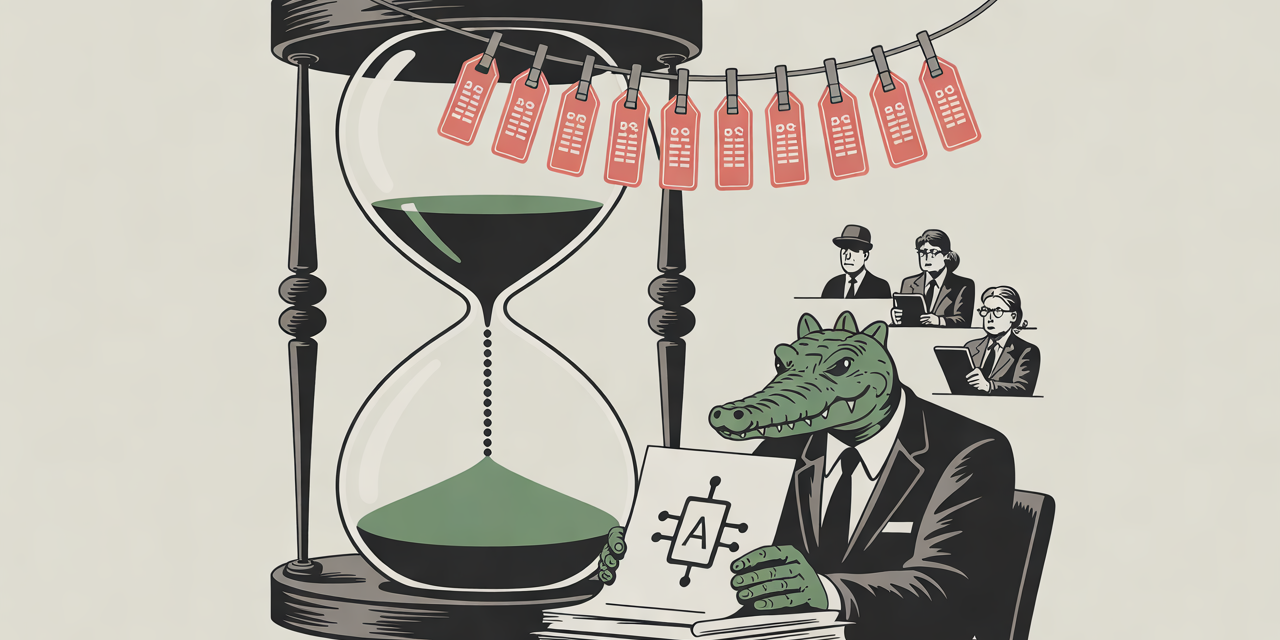
On 15 October 2026, the board voted unanimously to grant DK Crown Holdings, permit B016503468, a conditional extension through 19 February 2027. Its current permit was due to expire on 10 November. The full renewal hearing is set for 18 February, one day before the extension ends. The schedule keeps DraftKings’ Louisiana status unresolved through the US football season and into the first quarter of 2027.
The ownership issue is concrete. Assistant Attorney General Delancey Houston told the board investigators with the Louisiana State Police Gaming Enforcement Division found some shareholders holding 5% or more had not submitted to suitability checks. One asked to be treated as an institutional investor. “The investigation is incomplete at this time,” Houston said. Under Louisiana statute La. R.S. 27:28(H), anyone holding or controlling at least 5% must meet suitability requirements. The board can suspend or revoke a licence, or bar a holder from dividends, voting or keeping the shares. Five holders reported 5% or more of Class A shares in the latest 13G filings; the largest reported stake is 7.3%.
The seven conditions turn that authority into a timetable. DraftKings must submit suitability materials and establish protocols for timely notice of shareholder ownership changes within 30 days. It must also provide formal written responses within 30 days on AI use, prediction-market activity and digital offerings to Louisiana residents. The company must review and certify that its marketing, commercials and digital ads comply with responsible-gambling rules, name a senior representative within seven days and cooperate fully. Monthly reports, due on the 15th, must cover prediction markets, new products, geolocation, KYC and AML changes, system failures, complaints and litigation.
Hebert called the arrangement “a measured regulatory response” and said, “This proposal is not a determination that DraftKings has engaged in any wrongdoing.” Fair enough. But a conditional extension is pressure without a verdict. The deadlines put the calendar in the regulator’s hands.
The AI question is bigger than the denial
Much of the board’s questioning followed a New York Times report alleging DraftKings scored customers by expected losses and used AI to target losing bettors. DraftKings president of operations and co-founder Paul Liberman rejected the account: “We do not use AI in any way to target losing gamblers by any means.” He said most customers are net losers anyway, making them a pointless target. Chief responsible gaming officer Lori Kalani said AI flags customers who may need help and that DraftKings closed 175 Louisiana accounts this year.
That defence leaves a gap. If most customers lose over time, broad targeting of losers may be redundant. It says nothing about whether a system can identify people losing faster, detect a change in behaviour or decide who gets a particular offer. “Most customers lose” explains why broad targeting might be pointless; it does not prove the model harmless.
Louisiana has not ordered a public release of source code. It does require a written account of AI use, alongside answers on prediction markets and digital products. That shifts the demand from public principles to an explanation of what systems do and who owns their decisions. “The model says so” will not satisfy a regulator; operators must explain automated targeting without exposing the machinery or hiding behind it.
Six operators, one federal deadline
On 22 and 23 October, Senator Richard Blumenthal and two other Democrats widened a federal VIP-programme inquiry, writing to DraftKings, BetMGM, Caesars, Fanatics, Kalshi and Polymarket. They want to know how much the companies’ top customers lost before and after joining VIP programmes. Responses are due 5 November. These are requests, not findings. Including Kalshi and Polymarket makes the inquiry about prediction markets as well as sportsbooks.
The letters arrive amid other scrutiny. West Virginia resident Daniel Vest alleges in a separate civil suit that AI-driven marketing targeted vulnerable bettors; he says he received roughly 70 promotional messages in about a month. The Massachusetts Gaming Commission has asked operators whether automated systems influence who gets offers and whether humans oversee those decisions. The FTC has been reviewing sportsbook advertising. Ohio’s governor has launched enforcement action against prediction-market platforms including Kalshi and Polymarket.
None of that proves the New York Times allegations. It does show why regulators can demand records, explanations and reporting before reaching a final finding. Louisiana offers a practical method: attach conditions to the permission an operator needs, then set deadlines that make compliance visible. That lets agencies act before lawmakers create a new statutory regime, and gives other states a model to consider.
The cost of being on the clock
Deadlines are the sharp edge, even without a declared violation. Thirty-day submissions, a seven-day appointment, monthly reports and a February hearing make this more than a box-ticking exercise. DraftKings must answer while its Louisiana permit remains conditional. The board can demand evidence without pretending to have reached a verdict; paperwork now carries consequences.
DraftKings shares are down roughly 45% year to date, leaving the company with a market capitalisation below $10 billion; Flutter is down more than 60%. Those falls do not show that regulatory scrutiny caused them. They do leave DraftKings less room to turn each challenge into a confident political campaign. FanDuel published a transparency webpage after congressional pressure, suggesting disclosure is becoming part of operators’ defensive playbook.
The NBA has ordered DraftKings and FanDuel to eliminate certain player prop bets this season after integrity scandals. Prediction markets face state action; sportsbooks face questions about VIP treatment, advertising and automated offers. Different disputes, same collision: companies optimise engagement while regulators ask when that becomes exploitation.
The 18 February hearing will test whether DraftKings’ reports and written account give the board enough to assess a full renewal. A promise that its AI is responsible will carry little weight if the company cannot explain how its systems work and who answers for their effects on customers.