The Prediction Markets Jurisdictional Bloodbath
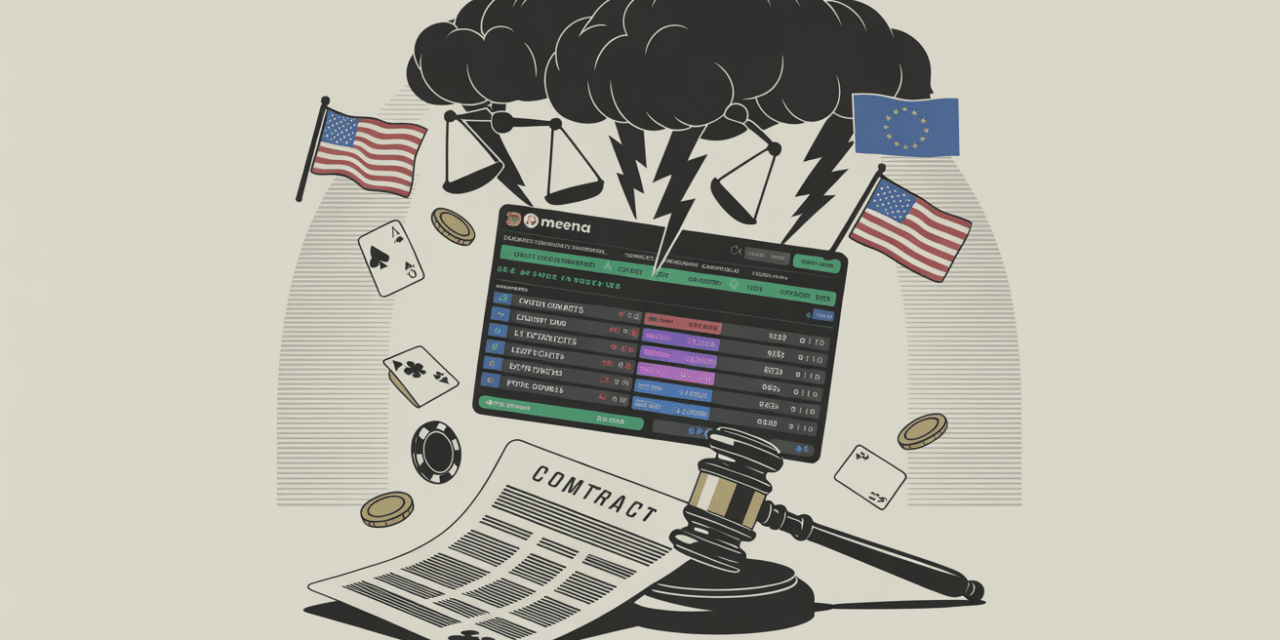
The dominant theme is no longer “will prediction markets be regulated?” — it is a full-blown federal-state power struggle that exposes the fragmented stupidity of America’s approach to event contracts.
The CFTC has filed suit against Kentucky, slamming the state’s 14.25% tax and enforcement actions as unlawful encroachments on exclusive federal jurisdiction over event contracts. Simultaneously, Kalshi is counter-punching Illinois in federal court after the state tried to reclassify sports-event contracts as sports wagering. Both invoke the Commodity Exchange Act’s preemption clause.
This isn’t a minor spat. Legal experts are warning what any systems thinker could have predicted: a patchwork of state laws makes compliant operations nearly impossible. Liquidity dies in fragmentation. Innovation flees to friendlier jurisdictions or offshore. Predictable.
Congress Joins the Fray — With Predictable Results
Over two dozen prediction market-related bills have been introduced in Congress in 2026 alone. The volume signals intense interest. The content reveals zero consensus. Some bills seek to legitimize the sector cleanly under CFTC oversight. Others want to kneecap it by treating it as gambling. This is classic legislative theater: activity masquerading as progress.
Until federal clarity emerges, operators and users will continue navigating a minefield. The real winners in prolonged uncertainty? Illegal offshore books and gray-market platforms that simply ignore the noise.
Big Tech Smells Blood: Meta’s “Arena” Ambition
While traditional operators and regulators argue over crumbs, Mark Zuckerberg is building (or buying) his way into the arena. Meta is reportedly developing “Arena,” a prediction markets platform that would weaponize its massive social graph and advertising machine.
This is the structural shift the industry has been ignoring: social platforms with billions of daily interactions have natural advantages in prediction liquidity that pure-play gambling operators can only dream of. Dean Sisun’s suggestion that Meta may simply acquire its way in is strategically sound. Why build when you can buy talent, data, and regulatory experience?
Traditional sportsbooks and casinos should be terrified. This isn’t just another competitor — it’s an entirely different class of player with superior user acquisition economics.
US Market Expansion: Caesars Consolidates Maine
Away from the prediction markets drama, Caesars Entertainment quietly secured tribal partnerships for three of Maine’s four available iGaming skins. This is textbook first-mover execution in an emerging regulated market. While litigation continues, Caesars has effectively locked in dominant shelf space.
In a maturing US iGaming landscape, these deals matter. Scale and multi-state presence increasingly determine who survives the inevitable consolidation wave.
The Sweepstakes Casino Reckoning Accelerates
The gray-market sweepstakes model is collapsing under coordinated state pressure. Operators are fleeing Indiana ahead of a full ban, with Maine and Iowa applying similar heat. June 2026 marks a clear inflection point: the regulatory window for these operations is slamming shut.
This was always the inevitable outcome. When you build a business model on regulatory arbitrage, your lifespan is limited by how long it takes politicians to notice the arbitrage.
Operator Financial Reality Check
Bally’s is learning the hard way that massive capital projects don’t forgive execution errors. Delays and overruns in Chicago, underperformance in Las Vegas, and the looming New York development are creating unprecedented balance sheet stress. Analysts are right to question shareholder dilution risks.
This is what happens when operators bet big on physical expansion while digital margins face regulatory compression. Capital allocation discipline remains the rarest skill in gaming.
European and LatAm Lessons: Taxes, Bans, and Black Markets
The Netherlands’ sharp online gambling tax increase delivered the entirely predictable result: significantly less revenue than forecast as players migrated to unlicensed operators. This is not complicated economics — it’s supply and demand with high elasticity.
In Europe, a Maltese MEP is correctly warning that blanket advertising bans will supercharge the illegal market. The same dynamic is playing out in Brazil, where authorities just dismantled a billion-dollar illegal betting network. Even after regulation, the black market remains enormous.
Core truth: Over-regulation doesn’t eliminate demand. It simply shifts it to operators who pay zero taxes, offer better odds, and ignore consumer protections. Channelization fails when the regulated product is inferior or overly restricted.
Bottom Line: Systems Over Soundbites
This week’s developments reinforce several immutable industry realities:
- Regulatory fragmentation kills liquidity and innovation.
- High taxes and advertising restrictions are reliably self-defeating.
- Big Tech entering prediction markets could dwarf legacy operators’ capabilities.
- Black markets thrive on prohibitionist overreach.
The operators and jurisdictions that understand incentive structures and system dynamics will win. Those chasing short-term revenue grabs or virtue-signaling restrictions will continue wondering why their projections never materialize.
The game remains the same. Only the players and battlegrounds keep changing.
Stay sharp. The house doesn’t always win — especially when the regulators are running it.