Another one bites the dust. Rivalry, the Canadian eSports betting operator that once rode the pandemic gaming wave to fleeting relevance, has announced it’s effectively shutting down operations while scrambling to find someone—anyone—willing to buy its remains.
In a press release issued February 13th that practically screams “we’re out of money,” the Steven Salz-led company revealed its board has approved a “significant reduction in operating activity” as it evaluates “strategic alternatives”—corporate speak for “please buy us before the lights go out.”
From Hype to Hospice: The Predictable Trajectory
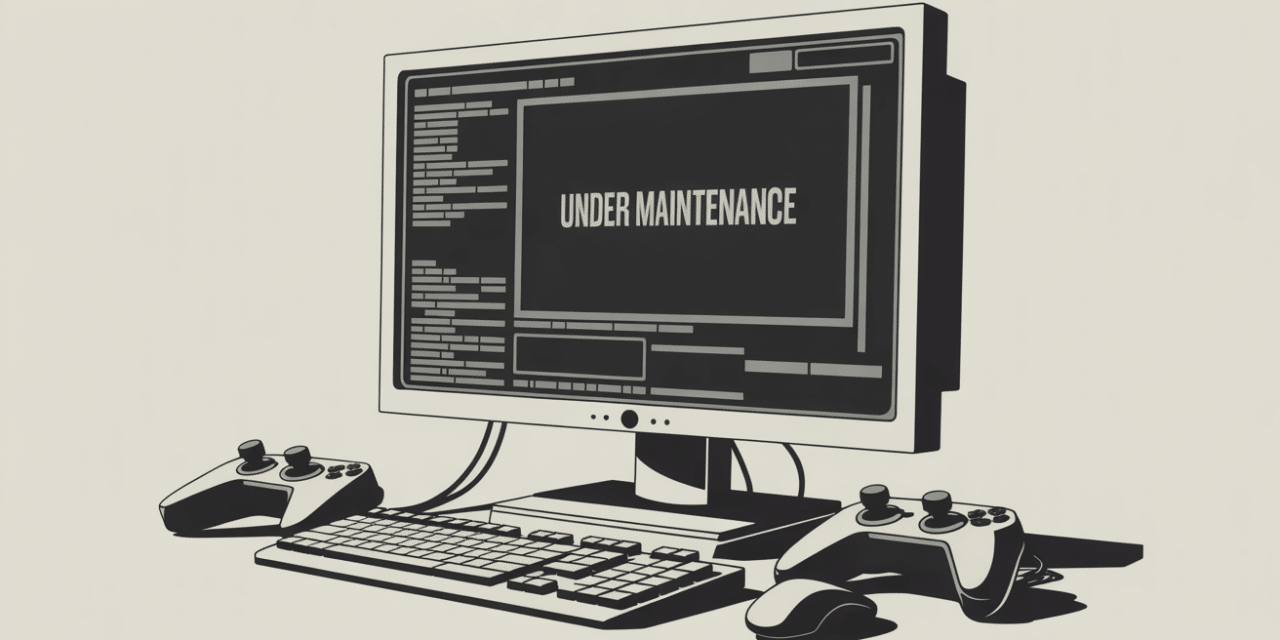
Here’s what actually happened: Rivalry’s flagship gaming site is dark, displaying the classic maintenance message that fools absolutely nobody in 2026. The Ontario and Isle of Man-licensed operator has implemented “substantial cost reductions,” including mass layoffs, while pausing player activity and processing withdrawals.
Let’s be brutally honest about the systemic forces at play here. Rivalry represents a textbook case of a company that confused a temporary pandemic tailwind with actual product-market fit. When everyone was locked inside and eSports viewership spiked, venture capital poured into anything with “gaming” in the pitch deck. Rivalry raised money, went public, and burned through cash trying to build a sustainable business in one of the most brutally competitive and margin-compressed segments of iGaming.
The eSports Betting Mirage
The harsh reality? eSports betting never achieved the scale its proponents promised. While eSports viewership grew, converting that audience into profitable betting customers proved nearly impossible. The demographic skews young and cash-poor, regulatory frameworks remained unclear, and the integrity issues that plague competitive gaming made risk management a nightmare. Add in the fact that traditional sportsbooks simply bolted on eSports offerings to their existing platforms, and you have a recipe for failure for any pure-play specialist.
Rivalry compounded these structural challenges with its own strategic missteps, pivoting into crypto casino offerings in a desperate attempt to find profitability. When you’re pivoting from your core thesis within a few years of launch, you’re not iterating—you’re flailing.
The Numbers Don’t Lie (But Management Did Try to Spin Them)
The most galling aspect of this collapse? The timing. Just eight weeks ago, on December 17th, Rivalry issued a breathlessly optimistic press release touting record-breaking Ontario performance—240% year-over-year deposit growth, 100% increase in wagers. They even secured $4.26 million in new debt, which now looks less like growth capital and more like a bridge loan to nowhere.
Here’s what that release conveniently omitted: any warning about going concern risks. No mention that the company was weeks away from pulling the plug. Just cherry-picked metrics designed to keep the stock price from completely cratering while management figured out their exit strategy.
The financial reality was hiding in plain sight for anyone bothering to look. Rivalry posted a C$1.96 million net loss in Q3 2025—admittedly down 67% from the previous year’s C$5.89 million bloodbath, but still deeply unprofitable. When you’re celebrating losing less money as a victory, your business model is fundamentally broken.
Performance Volatility: A Euphemism for Running Out of Runway
The company blamed “recent performance volatility” for the shutdown, which is corporate communications poetry for “our unit economics never worked and we finally ran out of other people’s money.” In regulated markets like Ontario, customer acquisition costs are astronomical, retention is brutal, and the established operators have scale advantages that make competing on anything other than unsustainable bonuses impossible.
The Broader Industry Implications
Rivalry’s implosion matters beyond schadenfreude. It’s a stark reminder that capital efficiency and path to profitability actually matter, even in an industry where growth-at-all-costs thinking dominated for years. The venture-backed, cash-burning, “we’ll figure out monetization later” playbook that worked in consumer tech doesn’t translate to heavily regulated gambling markets with established competitors.
This should serve as a wake-up call for other operators still burning through investor capital without clear profitability timelines. The market has reset. Easy money is gone. Investors want to see actual profits, not vanity metrics about deposit growth that comes from unsustainable promotional spending.
What Happens Next?
Rivalry says it’s “engaged in discussions with third parties about possible transactions” and assessing whether “a strategic transaction or other alternative can be advanced.” Translation: they’re shopping around whatever assets have residual value—likely the Ontario license, the Isle of Man license, and whatever player database privacy regulations allow them to monetize.
The most likely outcome? A distressed asset sale where someone picks up the licenses for pennies on the dollar, absorbs whatever profitable player segments exist, and unceremoniously shutters everything else. The Rivalry brand, such as it was, will disappear into the memory hole of failed iGaming ventures.
The Uncomfortable Truth
The real lesson here isn’t about eSports betting specifically—it’s about sustainable business models in regulated gambling markets. You can’t subsidize your way to profitability. You can’t pivot away from structural disadvantages. And you definitely can’t issue bullish press releases one month and shut down operations the next without destroying whatever credibility you had left.
Rivalry’s employees, who just got laid off en masse, deserved better than management’s apparent inability to read their own balance sheet. The investors who bought into the eSports betting thesis deserved honest communication about the challenges, not quarter after quarter of spin. And the industry deserves fewer cautionary tales like this one.
But here we are again, watching another undercapitalized, overhyped operator run out of runway while management searches for a soft landing they probably don’t deserve. At least the players can still withdraw their funds—for now.