rediction markets exploded into the mainstream in 2025, promising crowd-sourced truth at the speed of capital. By early January 2026, they’ve delivered something far messier: scandal, congressional backlash, resolution drama, and some very questionable math on growth. Let’s cut the hype. This sector isn’t revolutionizing information aggregation – it’s revealing how easily non-public edges can turn into seven-figure paydays, and how platforms handle (or mishandle) the fallout.
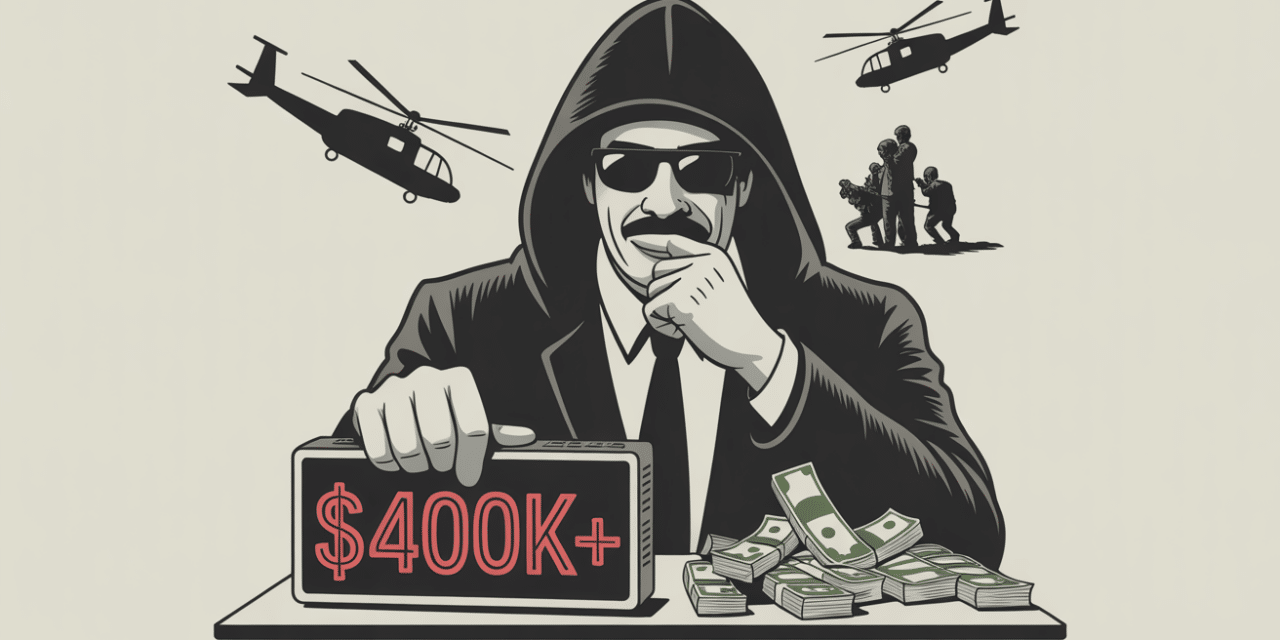
The Maduro Jackpot: $400K+ That Smells Like Insider Trading
A fresh Polymarket account dropped roughly $32,000-$34,000 on contracts betting Nicolás Maduro would be « out » by January 31, 2026 – when odds hovered around 6-7%. Hours later, U.S. forces raided Caracas and captured the Venezuelan leader.
Payout: over $400,000 (some reports say up to $436,000), with linked wallets potentially pushing the total higher. The timing is surgical.
Online sleuths chased wallet trails but found nothing conclusive. The account vanished or became inaccessible shortly after. Coincidence? Maybe. But when a bet times like tomorrow’s headline, it’s not « wisdom of the crowd » – it’s someone who read the script early.Polymarket, decentralized and crypto-native, doesn’t explicitly ban insider info the way regulated exchanges do. That’s the point for purists (Robin Hanson calls it a feature: markets need informed money). For everyone else, it’s a glaring vulnerability.
Congress Strikes Back: The Public Integrity in Financial Prediction Markets Act of 2026
Enter Rep. Ritchie Torres (D-NY). On January 9, he introduced the Public Integrity in Financial Prediction Markets Act of 2026, backed by 30+ Democrats including Nancy Pelosi. The bill prohibits federal elected officials, political appointees, executive branch employees, and congressional staff from trading prediction contracts tied to government actions, policies, or outcomes—if they possess (or could reasonably access) material non-public information.
Torres didn’t mince words: this is about preventing « plain-sight corruption » where public service becomes a personal trading desk. The Maduro bet provided perfect political cover. Existing laws might already cover some cases, but this plugs the prediction-market loophole specifically.
Kalshi’s CEO Throws Shade (and Supports the Bill)
Polymarket faced another firestorm over its « Will the US invade Venezuela by January 31? » contract (and similar dates). Volume exceeded $10–15 million, with many betting « Yes » after the raid. The platform ruled No: a covert snatch-and-grab of Maduro doesn’t meet the criteria of a « military offensive intended to establish control over any portion of Venezuela. » Trump’s talk of « running » the country via negotiations? Not enough.
Traders cried foul – « arbitrary, » « rules changed retroactively, » « Polyscam. » Millions remain unresolved. This isn’t the first ambiguous resolution, but it’s the most expensive yet. Trust in oracle-like settlement is the Achilles’ heel of these platforms.
The $100 Billion Kalshi « Annualized Volume » Farce
Kalshi proudly announced crossing $100 billion in annualized volume. How? Take one peak week (~$2 billion, fueled by NFL season-end + college playoffs) and multiply by 52. Analyst Dustin Gouker called it « pretty unserious. » Lifetime volume sits around $27 billion – extrapolating a holiday spike is marketing theater, not reality. Seasonality is brutal in sports-heavy books; pretending otherwise is amateur hour.
Citizens Analysts: The Hype Is Overblown
Citizens Equity Research crunched 1 million transactions and compared them to regulated sportsbook data. Verdict: prediction markets capture less than 5% of legal U.S. sports betting handle – roughly $8 billion annualized.
Impact on major operators’ EBITDA? About the same as one bad Monday Night Football game. Cannibalization exists (especially football), but it’s mid-single digits – not existential.
Bears overreacted in late 2025; the threat remains contained.Meanwhile, platforms chase legitimacy: Polymarket partners with Dow Jones (WSJ, Barron’s, MarketWatch integration), Kalshi with CNN. Data becomes content becomes credibility.
The Deeper Issue: Systems, Not Scandals
Prediction markets expose a core tension in modern information markets: accuracy requires edge, but edge often comes from asymmetry (read: leaks, access, timing). Ban insiders outright, and liquidity dries up.
Allow it, and you invite corruption.We’re not seeing a bug – we’re seeing the system’s natural behavior when money meets non-public knowledge.
« Regulated » players like Kalshi want fences; decentralized ones like Polymarket thrive on openness (and chaos). 2026 won’t calm down. More geopolitical shocks, more bets, more resolutions fights, more bills.
The real winners? Platforms that survive the scrutiny while the sector matures from speculation to something resembling a capital market.For now, though: if your forecast looks suspiciously like classified intel, maybe don’t celebrate the payout too loudly. Congress is watching. And they’re not amused.
Disclaimer: This article and its accompanying images may have been enhanced using AI tools to ensure smoother content delivery and visual appeal.