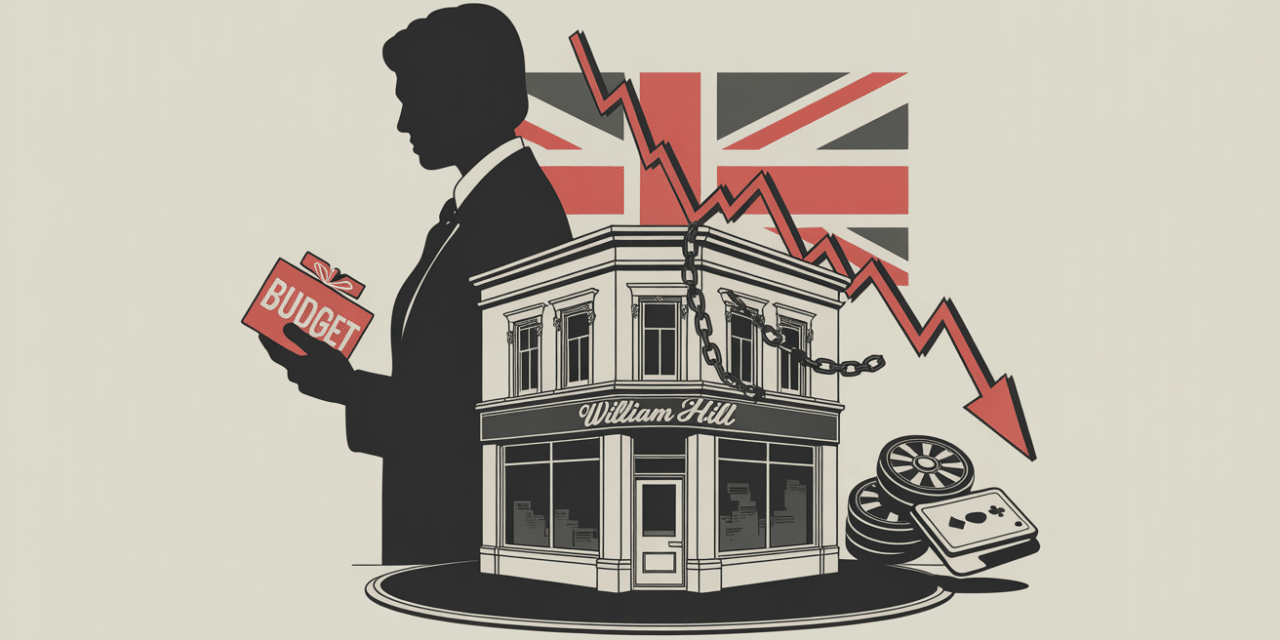
In a move that’s sending shockwaves through the online gambling sector, Evoke Plc (LON: EVOK) – the parent company behind iconic brands like William Hill, 888casino, and Mr Green – has launched a formal strategic review that explicitly includes the possibility of a full sale or asset disposals.
This comes just weeks after Chancellor Rachel Reeves delivered a brutal tax hammer in the Autumn Budget, effectively pushing an already debt-laden operator to the edge.Let’s cut the fluff: this isn’t a proactive « growth strategy. » It’s a distress signal from a company crushed under £1.8-1.9 billion in net debt, a market cap scraping around £100-110 million, and now facing an annual tax hit of up to £135 million from the UK’s remote gambling duty hikes.
The Tax Trigger: Reeves Doubles Down on Online Gambling
Rachel Reeves’ Budget nearly doubled Remote Gaming Duty from 21% to 40% on online casino and slots revenue, while hiking online sports betting duty from 15% to 25%.
These changes, effective from 2026-2027, target what the government calls the « highest harm » segments – conveniently the most profitable for operators like Evoke, whose portfolio is heavily weighted toward UK online casino.Evoke, more exposed than peers like Flutter or Entain due to its iGaming focus and legacy debt from the 2022 £2 billion William Hill acquisition, quickly withdrew medium-term guidance and warned of severe profitability erosion. Analysts estimate the unmitigated impact could wipe out a massive chunk of EBITDA.
The root cause? Successive UK governments treating gambling as an endless revenue cow, ignoring the systemic migration risk to unlicensed black-market operators. Higher taxes don’t eliminate demand – they just push it offshore, eroding licensed operators’ margins while starving the Treasury of sustainable yields long-term.
Strategic Review: Code for Fire Sale?
Evoke has hired heavyweights Morgan Stanley and Rothschild to explore « all options to maximise shareholder value, » including a outright group sale or piecemeal divestments. Market speculation leans toward a break-up as more likely – selling international assets (Italy, Spain, Denmark) separately, or offloading the William Hill retail estate.A full sale seems improbable at current valuation; who’d buy the whole leveraged mess? More realistic: creditors forcing a restructuring, with bondholders potentially taking control and carving up the carcass.
The William Hill brand still holds value, but the 1,300+ UK betting shops face an uncertain future – closures and job losses are inevitable as mitigation costs mount.This saga exposes deeper industry flaws: over-leveraged acquisitions in a tightening regulatory environment. Evoke’s 2022 William Hill deal looked bold then; now it’s a millstone.
Share Price Bloodbath: A 64%+ Plunge in 12 Months
Evoke’s stock has been in freefall, down over 64% in the past year, underperforming the FTSE dramatically. From highs around 77p, it’s languished in the low 20s pence recently – a valuation that screams distress.
What Next for the UK iGaming Landscape?
Evoke’s predicament could reshape the market: fewer players, consolidated assets, and accelerated shift to international or grey-market alternatives. Sarcasm aside, if regulators wanted to « protect » consumers, they’ve just handed more power to unlicensed sites.Investors should watch for bid approaches – perhaps from private equity eyeing the brands, or rivals sniffing distressed assets. But don’t hold your breath for a premium; this is survival mode.
The core issue isn’t superficial fixes like « efficiency programs. » It’s systemic: punitive taxation on a mature, regulated industry while black-market operators thrive untaxed. Until policymakers address root causes – affordability checks driving churn, tax asymmetry favoring illegals – we’ll see more Evokes teetering on the abyss.
Disclaimer: This article and its accompanying images may have been enhanced using AI tools to ensure smoother content delivery and visual appeal.