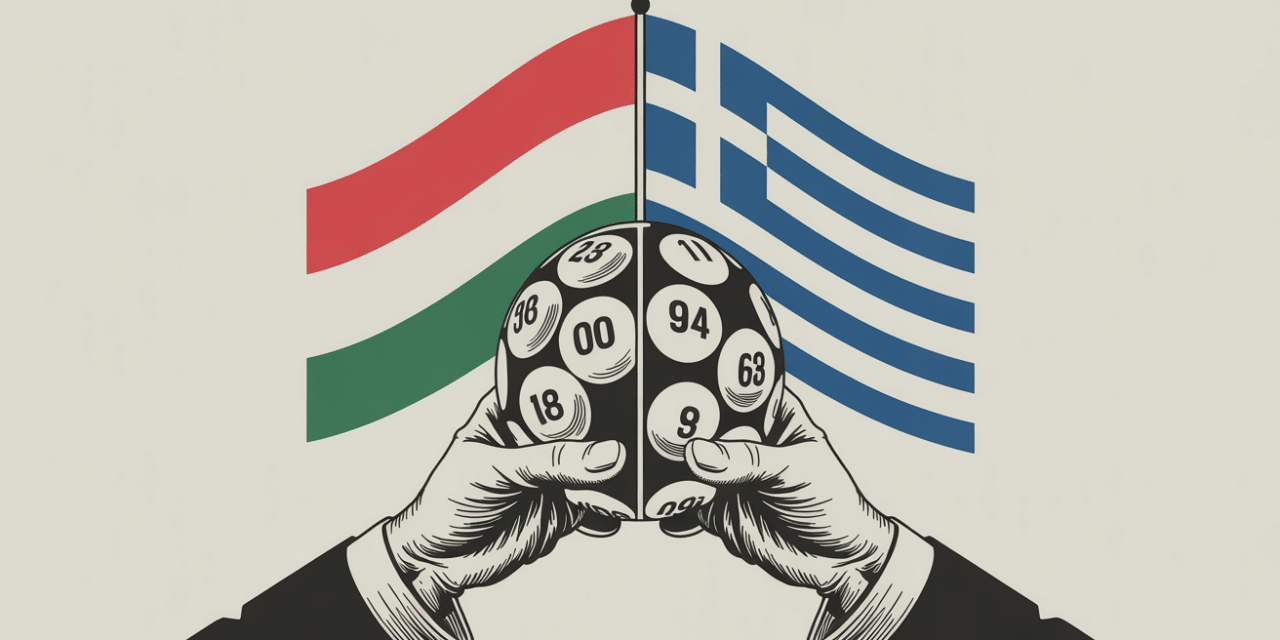
When 93.3% of shareholders don’t take the exit door despite being offered cash at €19.04 per share, you’re either witnessing a stunning vote of confidence or shareholders who’ve done the math on what comes next. With lottery giants Allwyn International and OPAP clearing another regulatory hurdle toward their €16 billion merger, the message is clear: investors would rather ride this consolidation wave than cash out now.
Only 23.9 million of OPAP’s 358 million outstanding shares were tendered for the exit right—a mere 6.7%. Allwyn CEO Robert Chvatal naturally spun this as “strong alignment” among shareholders, and for once, the corporate PR isn’t entirely divorced from reality. When you’re merging to create the world’s second-largest lottery operator, staying in the game makes more sense than taking your chips off the table.
The Mechanics of Market Concentration
Let’s cut through the procedural jargon. OPAP will redomicile to Luxembourg—because of course it will—and rebrand as Allwyn AG. The Greek gaming giant will effectively cease to exist as an independent entity, absorbed into Allwyn’s growing empire. In exchange for OPAP’s assets and liabilities, Allwyn will issue 445.6 million new shares, creating a combined entity with 770.8 million shares outstanding.
Here’s where it gets interesting from a power dynamics perspective: KKCG, Allwyn’s controlling shareholder, will own 78.4% of the merged entity. The free float? A relatively paltry 21.6%. This isn’t a merger of equals—it’s an acquisition dressed in merger clothing, with KKCG’s billionaire owner Karel Komárek firmly in the driver’s seat.
The €456 million exit compensation will be paid within a month of the cross-border conversion, funded by committed bank facilities. That Allwyn has the liquidity locked down suggests this deal has been choreographed with investment banking precision. No surprises, no drama—just systematic market consolidation.
The Lottery Sector’s Endgame
The lottery industry is entering its consolidation endgame, and this merger is Exhibit A. Unlike the fragmented online casino or sports betting sectors, lottery operations are inherently jurisdictional monopolies or oligopolies. You can’t exactly disrupt a government-sanctioned numbers game with a slick app and venture capital.
What you can do is consolidate operational expertise, technology platforms, and regulatory relationships across multiple territories. That’s precisely Allwyn’s strategy, and it’s working:
- UK National Lottery takeover in February 2024, complete with major tech and retail overhauls
- PrizePicks acquisition announced weeks before the OPAP deal, providing US DFS market access
- Allwyn Digital division launched under ex-Betfred US CEO Kresimir Spajic
- Illinois Lottery operations providing an established US foothold
The OPAP merger adds Greece’s dominant gaming operator and its various Balkan interests to the portfolio. More importantly, it potentially gives Allwyn a path to majority control of Kaizen Gaming, the parent company of Betano. Allwyn already owns 36.75% of Kaizen (acquired in April 2022), while OPAP holds the majority stake. Post-merger corporate gymnastics could consolidate that ownership under Allwyn’s umbrella.
The Betano Chess Move
This is the understated subplot that deserves more attention. Betano operates across Latin America and Europe, competing directly in markets where sports betting regulation is maturing. If Allwyn can leverage the OPAP merger to gain operational control of Kaizen, it suddenly possesses both lottery infrastructure and a growing sports betting brand portfolio. That’s vertical integration with horizontal expansion—the kind of positioning that makes analysts salivate and competitors nervous.
Regulatory Runway and Timeline Reality
Allwyn and OPAP originally projected H1 2026 completion. We’re now in February 2026, and while both companies claim “all other approvals and closing conditions are progressing as expected,” neither provided an updated timeline. Translation: regulatory approvals are taking longer than the initial optimistic projections suggested.
This isn’t necessarily problematic—mergers of this scale across multiple jurisdictions rarely close on schedule. Greece, Luxembourg, and potentially Cyprus and other Balkan gaming regulators all need to sign off. Each has its own political considerations, especially when a national gaming champion like OPAP is being absorbed by a foreign entity, Luxembourg domicile notwithstanding.
The shareholder exit right deadline passing is significant because it removes one variable. No messy shareholder rebellions or unexpected cash drains from mass exodus. But the regulatory gauntlet remains, and in gaming, regulatory approval is never truly certain until the ink is dry.
What This Means for the Industry
The Allwyn-OPAP merger represents a fundamental shift in how lottery and gaming operators will compete in the 2020s. The playbook is clear:
Scale matters. Operating costs for technology platforms, regulatory compliance, and responsible gaming initiatives favor larger operators who can amortize these expenses across multiple territories.
Diversification is defense. Pure-play lottery operators face growth challenges in mature markets. Allwyn’s moves into DFS (PrizePicks) and potential deeper integration with Betano show a company hedging against lottery market saturation.
Regulatory relationships are currency. Allwyn’s ability to take over the UK National Lottery and navigate complex Balkan gaming regulations demonstrates the value of institutional trust and operational competence with government partners.
For competitors like International Game Technology, Inspired Entertainment, and regional lottery operators, the message is uncomfortable: consolidate or risk marginalization. Mid-sized operators without clear paths to scale or diversification will increasingly find themselves squeezed between giants like Allwyn and purely digital disruptors.
Jan Karas, OPAP’s CEO, called this “a pivotal development that will reshape the future of our industry.” Strip away the corporate speak, and he’s not wrong. When 93.3% of your shareholders prefer uncertainty in a merged entity over guaranteed cash today, they’re betting that concentration is inevitable. Smart money suggests they’re right.