Britain’s gambling tax argument has spent years hiding in Treasury models and trade-body warnings. Now bet365’s planned 340 job cuts give the squeeze a human number. When a company of that scale trims payroll while citing tax and regulatory pressure, the industry should stop pretending the cost lands only on shareholders.
The tax bill has reached the payroll
bet365 has confirmed plans to cut about 340 positions, around 3% of its workforce. Roughly 300 roles are at its Stoke-on-Trent headquarters, where it employs about 5,500 people, while about 40 are across Malta and Gibraltar. The company pointed to a highly competitive trading environment and higher regulatory and tax-related costs, language that reveals little but still says enough: the economics have changed.
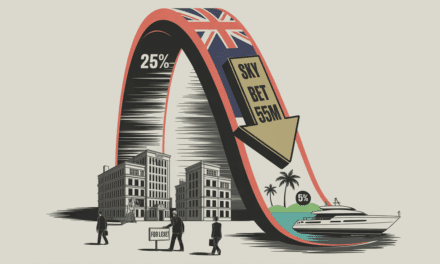
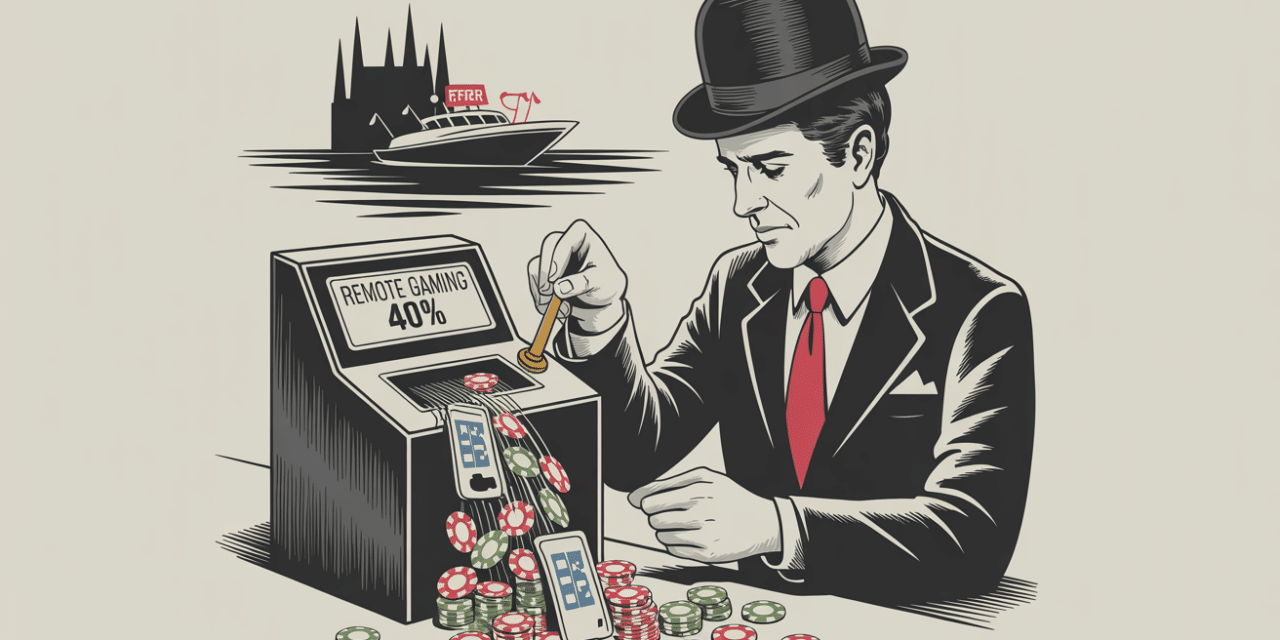
The UK’s Remote Gaming Duty rose from 21% to 40% of gross gaming revenue in April 2026. Gross gaming revenue is the amount left after winnings are paid, before salaries, technology, payments, marketing, safer-gambling work, compliance and all the other machinery behind a licensed operator. It is not profit. Taking 40% at that point changes decisions on staffing, product investment, promotions and margins.
Remote betting duty is also due to rise from 15% to 25% in April 2027, excluding UK horseracing bets. The industry is being asked to absorb an immediate online-casino shock while budgeting for a further betting increase. Costs do not evaporate at board level; they are allocated among workers, customers, suppliers and investors. bet365 is privately owned and better equipped than most to survive this climate, which makes the cuts a warning for smaller licensed rivals facing merger, retreat, sale or slow decline.
Enforcement is widening the cost base
Tax is only one part of the pressure. On July 21, 2026, Evolution Malta Holding Limited agreed to pay GBP 4.75 million after its games appeared on six unlicensed websites accessible in Great Britain. The UK Gambling Commission found weaknesses in Evolution’s risk assessment and controls, including a failure to identify that two business customers were supplying games into Great Britain without a licence. The settlement also imposed an independent audit condition.
This was a supplier case, but its message travels well beyond Evolution. Providers are expected to know where their products end up, not simply rely on the commercial customer that signed a contract. That means more screening, monitoring, legal review, contractual restrictions and friction. Those obligations are justified when the alternative is allowing unlicensed sites to borrow credibility from respected technology suppliers. They are also real operating costs, layered onto higher gambling duties.
The Commission’s action against QuinnBet (Gibraltar) Limited reinforced the point. On August 18, 2026, QuinnBet agreed to pay GBP 609,104 for anti-money-laundering and social-responsibility failures. Ten days later, on August 28, the Commission suspended the operating licences of BresBet Ltd and Bet St George Ltd over suspected social-responsibility and AML failings involving bresbet.com and betstgeorge.com. Both surrendered their licences on September 4, 2026. Compliance is no longer a paperwork exercise; it requires capital, governance and sustained operational depth.
A smaller licensed market creates its own risk
No serious observer should excuse AML or player-protection failures. The sector earned much of its trust deficit through weak controls and compliance theatre. But enforcement has an economic consequence: a UK licence now demands deeper monitoring, affordability checks, safer-gambling systems, AML teams, licence fees, tax capacity and resilience when something goes wrong. That may remove weak operators, which is healthy. It also favours groups large enough to treat compliance as a fixed cost rather than an existential threat.
The policy contradiction is that licensed businesses are visible, taxable and punishable, while offshore sites can avoid much of that burden. An unlicensed operator targeting Great Britain may offer faster registration, fewer questions, larger bonuses and product features unavailable in the regulated market. A licensed rival pays for consumer safeguards while its offshore competitor profits from avoiding them. Players do not all respond to a less attractive regulated offer by quitting; some migrate. Channelisation must therefore be measured and defended, not assumed.
Sponsorship rules add another pressure point
The Department for Culture, Media and Sport consultation on banning unlicensed gambling sponsorship and advertising in Great Britain closed at 11:59pm on September 9, 2026. It targets unlicensed operators, not licensed brands including Sky Bet, bet365, Betway and Ladbrokes. That distinction matters. Unlicensed firms should not be able to buy legitimacy through British sport, media or celebrity partnerships while rejecting the obligations carried by licensed competitors.
Still, removing a shirt logo is easier than disrupting digital acquisition, payment routes, affiliate networks and cloned websites. Offshore operators do not depend on visible sponsorship to find customers. For licensed firms, the wider message remains blunt: marketing will face closer scrutiny, suppliers require tighter oversight, and every commercial decision must survive a political climate that often treats gambling as guilty until documented otherwise.
The bet365 cuts do not prove tax policy alone caused every lost role. Restructures have multiple causes, and competitive trading language can conceal management decisions unrelated to Whitehall. But dismissing the tax link is equally implausible. A Remote Gaming Duty increase from 21% to 40% is explicitly designed to extract more from online gambling, and extraction changes behaviour. Britain now needs serious action against unlicensed supply through payment disruption, affiliate accountability and practical digital blocking. Without it, the licensed market risks becoming safer on paper, smaller in reality and less able to protect the people policy claims to serve.